Table of Contents
- Why Are My Flickering Lights Happening? Causes, Fixes and When to Call an Electrician
- Firstly… Where Is the Light Flickering?
- One Light Fixture Flickering
- Lights Flickering in One Room
- Lights Flickering Throughout the Whole House
- Lights Flicker When Appliances Turn On
- The Most Common Causes of Flickering Lights
- Loose Bulb or Loose Light Bulb
- Faulty or Poor-Quality Bulbs
- Incompatible LED Bulbs and Dimmer Switches
- Faulty Light Switches
- Electrical System Problems That Can Cause Flickering Lights
- Overloaded Circuits
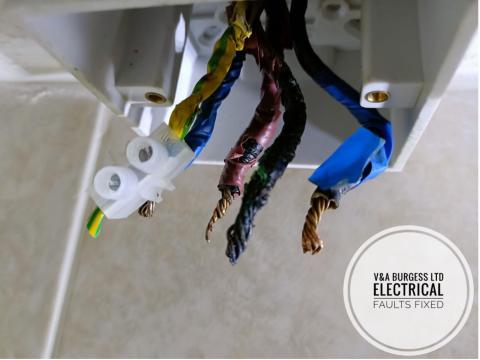
- Loose Wiring and Loose Connections
- Faulty Wiring and Outdated Wiring
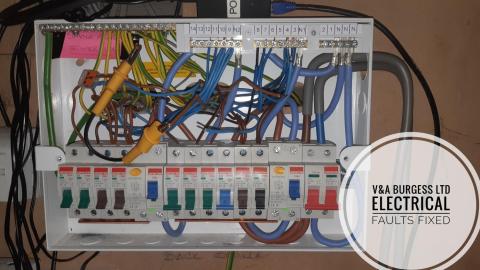
- Consumer Unit and Circuit Breaker Issues
- External Causes of Flickering Lights
- Problems With the Power Grid or Utility Company
- Tree Branches and Environmental Factors
- Are Flickering Lights Dangerous?
- Simple Troubleshooting Steps You Can Try
- When to Call a Professional Electrician
- Preventing Flickering Lights in the Future
- Final Thoughts
1) Why Are My Flickering Lights Happening? Causes, Fixes and When to Call an Electrician
If you have flickering lights in your home rest assure that this is one of the most common issues that occur with electrical systems.
Whilst that is not immediately reassuring, there are lots of reasons that lights could flicker and lots of possible solutions.
Flickering lights are often harmless and could be caused by simple issues such as loose of faulty bulbs, issues with connections and much more. If you find that you have continuous or persistent flickering lights, it could be a sign of more serious electrical issues within the home’s electrical system.
Getting to the bottom of flickering lights is really important because electrical faults can occasionally become potential fire hazards if they are ignored. Loose wiring, overloaded circuits and faulty wiring can all contribute to electrical fires if problems are not dealt with ASAP!
In some situations, flickering lights could caused by varying levels of voltage, issues with electrical appliances, or problems with the power supply entering your property. While some of these problems may have a simply solution, cheap fix or obvious cause, others may require professional help from a licensed electrician. Sometimes an electrician is required to inspect, test and trace electrical issues.
In this article I will write about the most common causes of flickering lights, how to identify the root cause, and the best course of action for safe, reliable and permanent fixes.
If you can recognise the potential causes and spot the warning signs of serious electrical problems, you can determine whether the issue is a simple fix or whether it requires electrical services from a qualified electrician.
Spoiler alert: most electrical issues will require an electrician to solve them safely.
Back to top2) Firstly… Where Is the Light Flickering?
When diagnosing light flickering issues, the first thing to consider is where the flickering occurs. Determining whether the problem affects one light fixture, a single room, or the entire property can help narrow down the potential causes.
Back to top3) One Light Fixture Flickering
If only one light fixture is affected, there is a good chance the problem is localised to that particular fitting but this does depend on how your lighting circuit is wired.
One of the most common reasons for this is a loose light bulb. When a bulb is not securely screwed into the socket, the electrical connections may not make consistent contact, causing the light flickers that customers often tell us about.
A faulty bulb or poor-quality bulbs can also cause flickering. Some bulbs simply fail prematurely due to manufacturing defects or poor materials. This is particularly common with very cheap lighting products.
Incandescent bulbs may flicker when their filaments become loose, while LED lights can flicker if the LED bulb is incompatible with the fitting or dimmer switch.
In many situations, replacing the bulb with a new bulb or tightening a loose bulb will stop the flickering immediately.
Electricians Tip: Use good quality lamps (bulbs) purchased from reputable retailers, replace light fittings occasionally and have your home electrical system tested at least once every ten years to highlight any possible dangers that are present or on the horizon.
Back to top4) Lights Flickering in One Room
If multiple lights flicker in the same room, the issue may involve the electrical circuits supplying that area of the home.
Loose connections, faulty light switches, or overloaded circuits can all lead to flickering lights in a particular room. If several electrical devices are connected to the same circuit, the increased demand for power may cause temporary voltage fluctuations.
Older homes are more prone to this issue because their electrical installations were not designed to support the number of electrical appliances commonly used today.
Electricians tip: There are multiple causes for one rooms lights flickering. In modern homes, this could be a faulty electrical junction at the switch, the light fitting or the previous switch or light fitting. A professional electrician can trace and diagnose flickering light issues with sophisticated test equipment.
Back to top5) Lights Flickering Throughout the Whole House
When flickering occurs in multiple rooms or involves several light fittings, the cause may be related to the home’s electrical system rather than a single light fixture.
Persistent flickering throughout the property may indicate voltage fluctuations, loose wiring, or issues with the consumer unit or circuit breaker.
If lights across the house flicker at the same time, it is often advisable to have the electrical system inspected by a professional electrician.
Electricians tip: One of the most common causes of whole house lights flickering is a faulty main switch at the consumer unit. Electric meter and mains supply issues can also cause this issue.
Back to top6) Lights Flicker When Appliances Turn On
Another common situation occurs when lights flicker as electrical appliances start operating.
Large appliances and high-powered appliances for example air conditioners, electric showers, washing machines or tumble dryers draw a large amount of electricity when they first start running.
This high and sudden demand can temporarily reduce the voltage available to lighting circuits, which can then cause lights to dim or flicker.
Occasional flickering can be normal when large loads start up, however, frequent flickering may indicate a circuit overload or limitations within the electrical supply.
Back to top7) The Most Common Causes of Flickering Lights
There are various reasons why flickering lights occur in homes. Some issues are minor and easily resolved, while others may require investigation by a licensed electrician.
Below are some of the most common reasons homeowners experience light flickering issues.
Back to top8) Loose Bulb or Loose Light Bulb
A loose bulb is one of the most common causes of flickering lights.
If the bulb is not properly tightened into the socket, the electrical connections between the bulb and the light fixture may not be stable. This can cause intermittent contact, resulting in a flickering light bulb.
Fortunately, this is usually a simple fix. Tightening the bulb until it is securely in place often restores full brightness and resolves the issue. Older light fittings often suffer with this issue due to wear and tear over the years. A new light fitting may be required in order to resolve the issue.
Back to top9) Faulty or Poor-Quality Bulbs
Faulty light bulbs and poor-quality bulbs are another frequent cause of flickering lights.
Bulbs that are of poor quality or badly manufactured may contain loose filaments or unstable components. Incandescent bulbs are particularly prone to flickering when their filaments deteriorate.
LED lights can also flicker if the LED bulb is defective or incompatible with the lighting system.
Replacing the bulb with a high-quality bulb is often the best solution.
Back to top10) Incompatible LED Bulbs and Dimmer Switches
As LED (Light Emitting Diode) lights have become more popular, compatibility problems have become more common.
Older dimmer switches were designed for incandescent bulbs (filament type bulbs) before LED bulbs existed and may not work correctly with modern LED bulbs. Incompatible dimmer switches can cause LED lights to flicker or prevent them from reaching full brightness.
Replacing an old dimmer switch with a modern LED-compatible dimmer is often the best solution. Speak with your electrician about the recommended products for replacing old dimmers.
As LED (Light Emitting Diode) lights have become more popular, compatibility problems have become more common.
Older dimmer switches were designed for incandescent bulbs (filament type bulbs) before LED bulbs existed and may not work correctly with modern LED bulbs. Incompatible dimmer switches can cause LED lights to flicker or prevent them from reaching full brightness.
Replacing an old dimmer switch with a modern LED-compatible dimmer is often the best solution. Speak with your electrician about the recommended products for replacing old dimmers.
Back to top11) Faulty Light Switches

Faulty light switches are another common problem that can cause flickering lights.
Over time, switches can wear out due to normal use. Internal contacts may deteriorate due to wear, debris, corrosion or dirt, preventing the switch from maintaining consistent electrical connections.
If a light flickers when the switch is touched or toggled, there is a good chance the switch needs replacing.
A qualified electrician can usually diagnose and replace faulty light switches quickly.
Electricians Tip: Most light switches, socket outlets and other electrical accessories have a maximum lifespan of around 30 years. Strongly consider replacing old electrical accessories to ensure that electrical hazards are minimised.
Back to top12) Electrical System Problems That Can Cause Flickering Lights
Many flickering lights are caused by minor problems, some situations indicate more serious electrical problems.
These issues should be taken seriously because they can lead to severe damage or potential fire hazards if left unresolved.
Back to top13) Overloaded Circuits
A circuit overload occurs when too many electrical devices draw power from the same electrical circuits.
Large appliances such as ovens, washing machines and air conditioners can place heavy demand on the electrical supply. When multiple electrical appliances operate on the same circuit, the combined load may exceed the circuit’s capacity.
This can lead to temporary voltage fluctuations and flickering lights.
If circuit overload becomes a regular occurrence, an electrician may recommend redistributing appliances across circuits or upgrading the consumer unit.
Back to top14) Loose Wiring and Loose Connections
Loose wiring and loose connections are among the most serious potential causes, although not exclusive causes of flickering lights.
Electrical connections can become loose over time due to supply vibration (50HZ UK, 60HZ USA), expansion and contraction of the different metals (copper wiring and brass terminals), aging materials or poor installation. Loose wires interrupt the flow of electricity and may generate heat or sparks under sufficient electrical load.
These conditions can increase the risk of electrical fires and should always be inspected by a professional electrician.
Back to top15) Faulty Wiring and Outdated Wiring

Faulty wiring and outdated wiring are particularly common in older homes.
Many properties built several decades ago were not designed to handle modern electrical devices such as televisions, computers, chargers and kitchen appliances.
As demand for electricity increases, older wiring systems will struggle to deliver enough voltage consistently. This can lead to regularly flickering lights and other electrical problems.
Upgrading outdated wiring improves both safety and reliability.
Electrical installations in the UK should comply with the standards in BS 7671 (The Wiring Regulations). BS7671 is the recognised national wiring regulations (UK) maintained by the Institution of Engineering and Technology.
Ensuring that your installation meets these standards can help prevent many electrical problems. Only a professional electrician is able to meet these standards and their requirements so it’s important to seek professional advice when considering electrical works.
Back to top16) Consumer Unit and Circuit Breaker Issues

The consumer unit and circuit breakers safely control the distribution of electricity throughout the electrical system in the propery. The consumer unit is the brains of the electrical system and prevents fires, electric shocks, arcing, short circuits and overloads.
If the consumer unit is outdated or damaged, it may struggle to perform it’s vital tasks. This can lead to voltage fluctuations, flickering lights and occasional power outages.
A professional electrician can inspect the consumer unit and determine whether an upgrade is necessary.
Electricians tip: If you are unsure of the safety of your consumer unit and are in the UK then get in touch with me and I will offer free advice over WhatsApp.
Back to top17) External Causes of Flickering Lights
Not all flickering lights originate from within the home. External factors can also contribute to lighting problems.
Back to top18) Problems With the Power Grid or Utility Company
In some cases, flickering lights are caused by issues with the power grid or local electrical supply in the street.
Loose connections on power lines, faults in transformers or disruptions within the national grid can create temporary voltage fluctuations.
If your neighbours are also experiencing similar problems, it is likely that the electrical issue relies with the utility company rather than your property.
Back to top19) Tree Branches and Environmental Factors
Environmental factors can also affect electrical supply.
Tree branches that come into contact with overhead power lines during windy weather can disrupt the electrical supply and cause flickering lights.
Storm damage to related equipment may also temporarily affect power delivery.
Back to top20) Are Flickering Lights Dangerous?
Many light flickering issues are harmless, but persistent flickering should never be ignored.
Electrical faults such as loose wiring, faulty wiring or overloaded circuits can all create potential fire hazards.
Electrical failures remain one of the leading causes of house fires, which is why any suspected electrical issues should be investigated promptly.
If flickering is accompanied by buzzing sounds, burning smells or frequently tripping circuit breakers, the issue should be addressed immediately.
A licensed electrician can identify the root cause and recommend the best solutions.
Back to top21) Simple Troubleshooting Steps You Can Try
Before calling a professional electrician, there are several simple checks you can perform.
- Tighten the bulb if it appears loose.
- Replace the bulb with a new bulb if it may be defective.
- Check that LED bulbs are compatible with your dimmer switches.
- Reduce the number of electrical appliances connected to the same circuit.
- Ensure extension leads and surge protectors are not overloaded.
These quick checks often resolve minor flickering problems.
Back to top22) When to Call a Professional Electrician

Most electrical issues require professional help to put right. Even if you seem to manage ‘a fix’ yourself, there is no guarantee of safety without the correct testing procedures and equipment used to test!!
You should contact a qualified electrician if you notice persistent flickering lights throughout the house, frequent circuit breaker trips, burning smells near sockets or switches, buzzing noises from electrical fittings, or visible signs of loose wiring.
A professional electrician has the knowledge and equipment needed to diagnose and repair serious electrical problems safely.
Seeking professional electrical services provides peace of mind and ensures your home’s electrical system is operating safely.
Back to top23) Preventing Flickering Lights in the Future
Preventing flickering lights often involves maintaining and upgrading your electrical system.
Use high-quality bulbs rather than poor-quality bulbs.
Avoid overloading electrical circuits with too many appliances.
Install surge protectors to protect sensitive electrical devices.
Upgrade outdated wiring in older homes.
Schedule regular electrical inspections with a qualified electrician.
These steps can help ensure that your home’s electrical system remains safe and reliable.
Back to top24) Final Thoughts
Flickering lights can occur for various reasons, from a simple loose bulb to more serious electrical problems involving wiring, overloaded circuits or voltage fluctuations.
While some situations have a simple fix, persistent flickering should always be investigated carefully. Ignoring the issue could allow potential fire hazards to develop within your electrical system.
If you are unsure about the cause of flickering lights, contacting a qualified electrician is the safest way to identify the root cause and implement the best solutions.
Professional electrical services will not only restore reliable lighting but also protect your home and provide lasting peace of mind.
Back to top